Indigenous Peoples and Early History
QUICK FACTS
Human presence in the San Juan Mountains spans thousands of years
Paleo-Indian Period (approx. 13,000–8,000 years ago) involved Ice Age hunting and seasonal movement
Archaic Period (about 8000 BCE–500 CE) focused on mobile hunting and gathering strategies
Formative Period (about 500–1300 CE) included pottery production and expanding trade networks.
Protohistoric Era (about 1300–1600/1700 CE depending on region) reflects cultural transition periods
Historic Ute Period (1700s–1800s) saw Ute peoples occupying and using much of the region
Archaeological evidence includes tools, campsites, and habitation areas across elevations
Deep Human History of the San Juan Mountains
Long before mining towns, railroads, and scenic highways appeared in southwestern Colorado, the San Juan Mountains were part of a long and complex human landscape. Archaeological evidence shows that people traveled through and used this region for thousands of years, adapting to changing climates, wildlife patterns, and seasonal resources.
Over time, Indigenous groups developed seasonal migration systems and trade connections linking mountain valleys with surrounding desert regions. By the eighteenth and nineteenth centuries, the Ute peoples were the primary Indigenous inhabitants of the San Juan region, maintaining deep cultural and ecological relationships with the land.
Early Human Presence in the San Juans
Archaeological research reveals a long sequence of human adaptation across shifting environments.
Major Cultural Periods
Paleo-Indian Period (approx. 13,000–8,000 years ago)
Early hunters following Ice Age animals and seasonal resources
Archaic Period (about 8000 BCE–500 CE)
Mobile hunting and gathering groups using seasonal migration strategies
Formative Period (about 500–1300 CE)
Pottery production, seasonal villages, and expanding trade networks
Protohistoric Era (about 1300–1700 CE)
Cultural transition period following regional Pueblo population shifts
Historic Ute Period (1700s–1800s)
Ute peoples occupy and use much of western and southwestern Colorado
Related: [Archaeological Sites in Southwest Colorado] – Evidence of long-term human occupation across the region.
Ute Peoples of the San Juans
By the time Euro-American explorers entered the region, the Ute peoples were the primary Indigenous inhabitants of the San Juan Mountains.
Their lifeways were closely tied to seasonal movement and ecological knowledge:
Seasonal mobility between valleys and high mountains
Deep understanding of wildlife and plant cycles
Trade networks linking mountain and desert regions
Cultural and spiritual connections to landforms and waterways
Many places in the San Juan Mountains remain culturally significant to Ute communities today.
Related: [Ute Peoples of the San Juans] – Cultural history and traditions of the Ute people. Coming soon
Seasonal Migration and Land Use
Life in the San Juan Mountains required careful adaptation to elevation and climate.
Typical seasonal movement patterns included:
Winter residence in sheltered valley environments
Spring movement into foothills and mid-elevations
Summer occupation of high alpine hunting grounds
Archaeological evidence includes:
Campsites and seasonal habitation areas
Rock shelters and temporary dwellings
Tool-making sites and lithic scatter zones
Rock art and ceremonial locations
Related: [Seasonal Migration and Land Use] – How Indigenous groups adapted to mountain environments. Coming Soon
Historical Change and Cultural Transition
The nineteenth century brought rapid change as exploration, mining, and settlement expanded into the San Juan Mountains.
Key developments included:
Gradual loss of Indigenous lands through treaties and federal actions
Rising tensions during mining and settlement expansion
The 1879 Meeker Incident as a major turning point in regional history
Relocation of many Ute bands to reservations in Utah
Continued presence of Southern Ute and Ute Mountain Ute communities in southwestern Colorado
Despite displacement, Ute cultural traditions and identity remain strong today.
San Juan Mountain Cultural Landscape
(Case Study)
Elevation Range: 7,000–14,000 feet
Region: Southwestern Colorado
The San Juan Mountains contain extensive archaeological evidence of Indigenous presence, including campsites, rock shelters, and rock art.
These sites also reveal ancient travel corridors that connected:
Mountain valleys
The Colorado Plateau
Desert regions to the south and west
Many of these ancient pathways later influenced modern transportation routes.
Related: [Archaeological Sites in Southwest Colorado] Coming Soon
Why It Matters
Understanding Indigenous history provides essential context for the entire San Juan Skyway region.
Recognizes thousands of years of human presence
Expands regional history beyond mining and railroads
Encourages respect for culturally significant landscapes
Supports preservation of archaeological resources
CONTINUE EXPLORING RAILROADS, ROADS, AND ENGINEERING FEATS
[Ute Peoples of the San Juans] – Cultural traditions, history, and continuity of Ute communities Coming Soon
[Seasonal Migration and Land Use] – Adaptive movement strategies across mountain elevations Coming Soon
[Treaty History and Displacement] – Federal policies and historical events affecting Indigenous lands Coming Soon
[Archaeological Sites in Southwest Colorado] – Material evidence of long-term human occupation Coming Soon
[Cultural Preservation Today] – Modern efforts to protect and interpret Indigenous heritage Coming Soon
Return to San Juan Skyway Home Page
ADDITIONAL TOPICS ACROSS THE SAN JUAN SKYWAY
[The North American Monsoon in Southwest Colorado] Coming Soon
The Five Drive Segments of the Skyway
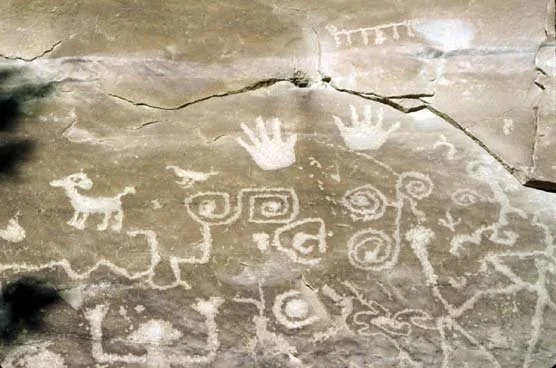
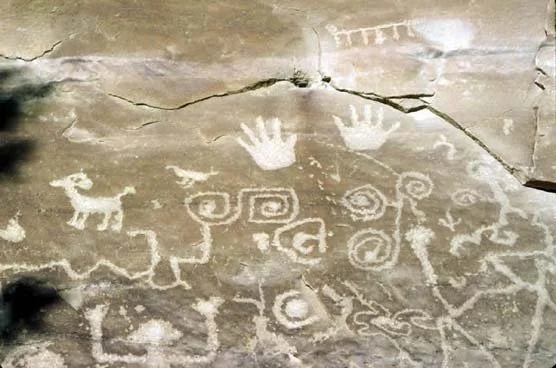
Ancient Indigenous petroglyph carving at Mesa Verde National Park, reflecting symbolic imagery associated with ancestral Pueblo cultures of the Southwest.
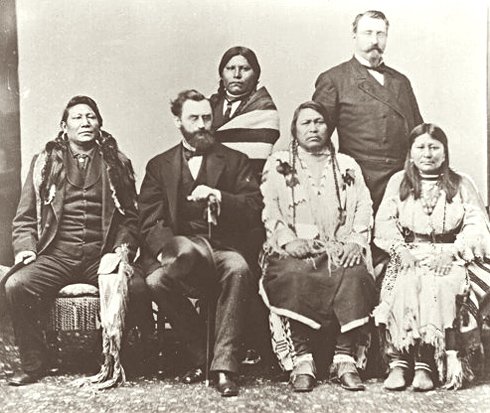
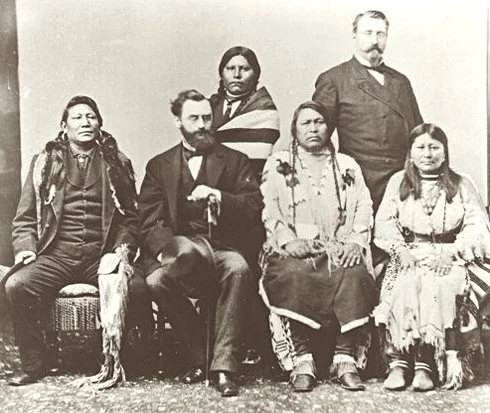
Chief Ouray and members of a Ute delegation photographed in Washington, D.C., circa 1880, during a period of major political transition in the American West.
If you want the complete experience in one place, the San Juan Skyway becomes most meaningful when viewed as a connected system of landscapes, geology, and history.
→ Go Deeper: The Complete San Juan Skyway Guidebook
The San Juan Skyway: Into the Heart of the Colorado Rockies
Want the full Journey?