Historic Lodging in the San Juan Mountains
QUICK FACTS
Historic lodging dates to the late 1800s mining boom across the San Juan Mountains
Includes grand hotels, boarding houses, and bathhouse-based resorts
Built to serve miners, investors, railroad travelers, and early tourists
Many structures remain active as hotels with preserved architecture
Victorian-era design reflects prosperity of mining communities
Hot springs lodging contributed to early mountain tourism development
Properties connect modern visitors with regional cultural heritage
Historic lodging across the San Juan Mountains offers travelers a direct connection to the region’s mining-era history and architectural heritage. From ornate Victorian hotels to modest boarding houses, many of these structures remain active today, continuing to welcome visitors more than a century after they were built. During the late nineteenth century, mining camps and rapidly growing towns required accommodations for miners, railroad passengers, investors, and early tourists. In response, entrepreneurs built hotels, inns, and bathhouses that ranged from simple lodging houses to refined establishments offering comfort and elegance in remote mountain environments. These buildings now serve as living links between the mining frontier and modern tourism.

Grand Hotels of the Mining Era
Some of the most prominent historic lodging in the San Juan Mountains was constructed to serve wealthy investors, railroad travelers, and visitors drawn to booming mining districts. These grand hotels featured elaborate architecture, decorative interiors, and amenities designed to reflect prosperity and permanence. A key example is the Grand Imperial Hotel in Silverton, built during the height of the silver boom. Its preserved architecture and restored interiors allow visitors to experience the atmosphere of a nineteenth-century mountain hotel while still operating as a modern lodging destination.
Victorian architecture with ornate detailing
Built for investors, travelers, and railroad passengers
Many structures preserved and still in operation today
(Related page: The Grand Imperial Hotel – Historic Silverton lodging preserved from the mining era.)
Mountain Retreats and Early Tourism
As mining towns stabilized, tourism began to emerge as an important economic force. Visitors were drawn not only by industry but also by mountain scenery, mineral springs, and cooler summer climates.
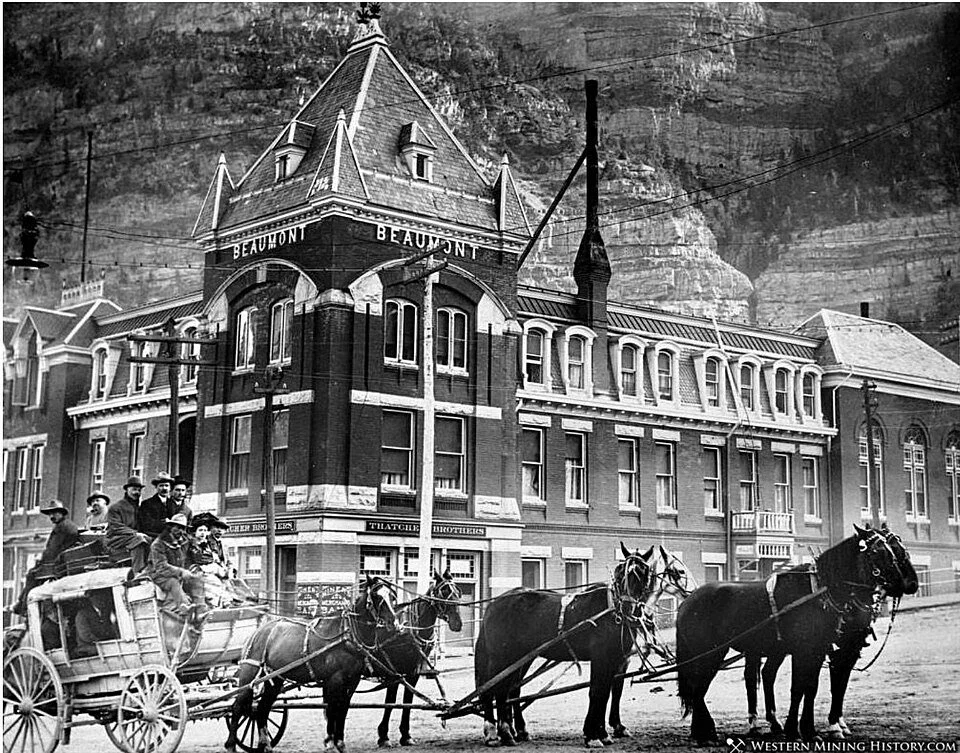
The Beaumont Hotel & Spa in Ouray reflects this transition, combining refined architecture with proximity to hot springs and alpine scenery. Likewise, the Strater Hotel in Durango, built in 1888, became a central hub for railroad passengers and early travelers arriving via the Denver & Rio Grande Railroad.
Hotels supporting early tourism development
Closely tied to railroad expansion and transportation networks
Architectural landmarks still active in modern communities
(Related page: Beaumont Hotel & Spa – Historic Ouray lodging tied to mineral springs tourism.)
(Related page: Strater Hotel – Landmark Durango hotel from the railroad era.)
Boarding Houses and Everyday Lodging
Not all historic accommodations were grand hotels. Boarding houses played a critical role in supporting mining communities by providing affordable, practical lodging for workers. These establishments were often family-run and offered basic rooms along with shared meals. They formed the backbone of early hospitality infrastructure in rapidly growing towns during mining booms.
Affordable lodging for miners and laborers
Often family-operated establishments
Essential during rapid population growth in boomtowns
(Related page: [Boarding Houses and Early Mountain Lodging Traditions] – Practical lodging in mining communities.)
Hot Springs and Mountain Wellness Traditions
Geothermal springs played an important role in shaping hospitality across the San Juan Mountains. In towns such as Ouray, mineral waters attracted visitors seeking relaxation and therapeutic bathing experiences. Bathhouses and early spa facilities developed around these natural resources, offering soaking pools and private baths. These wellness-focused establishments complemented hotels and boarding houses, helping transform mining towns into early resort destinations. Today, modern hot springs facilities continue this tradition, allowing visitors to experience the same geothermal waters that drew travelers more than a century ago.
Regional Example: Beaumont Hotel & Spa
Ouray, Colorado Elevation: 7,792 feet
The Beaumont Hotel & Spa is one of the most recognizable historic lodging landmarks in the San Juan Mountains. Built during Ouray’s mining boom, it was designed to serve investors, officials, and early tourists drawn to the region’s scenery and mineral springs.
Its hillside location and preserved architecture reflect the importance of hospitality in shaping mountain town identity. Today it continues to operate as a hotel, offering a direct connection to nineteenth-century mountain travel culture.
(Related page: Beaumont Hotel & Spa – Historic luxury lodging in Ouray’s mining district.)
Why This Topic Matters
Historic lodging preserves both architectural and cultural heritage across the San Juan Mountains.
Protects buildings from the mining era
Shows how tourism evolved alongside mining and railroads
Connects modern travelers to historic mountain communities
Preserves identity of towns along the San Juan Skyway
CONTINUE EXPLORING HISTORIC LODGING IN THE SAN JUAN MOUNTAINS
The Grand Imperial Hotel – Elegant Silverton hotel preserved from the mining era. Coming Soon
Beaumont Hotel & Spa – Historic Ouray retreat tied to mineral springs tourism.
Strater Hotel – Landmark Durango hotel from the railroad expansion era.
The Western Hotel (Ouray) – Preserved historic lodging with period charm
[Boarding Houses and Early Mountain Lodging Traditions] – Worker housing during mining booms. Coming Soon
[Historic Bathhouses and Thermal Culture of the San Juans] – Early wellness and hot springs development. Coming Soon
Return to San Juan Skyway Hub Page
ADDITIONAL TOPICS ACROSS THE SAN JUAN SKYWAY
San Juan Skyway Itineraries & Trip Planning
Climate Change Trends in the San Juans
Engineering and Construction History (of the Million Dollar Highway)
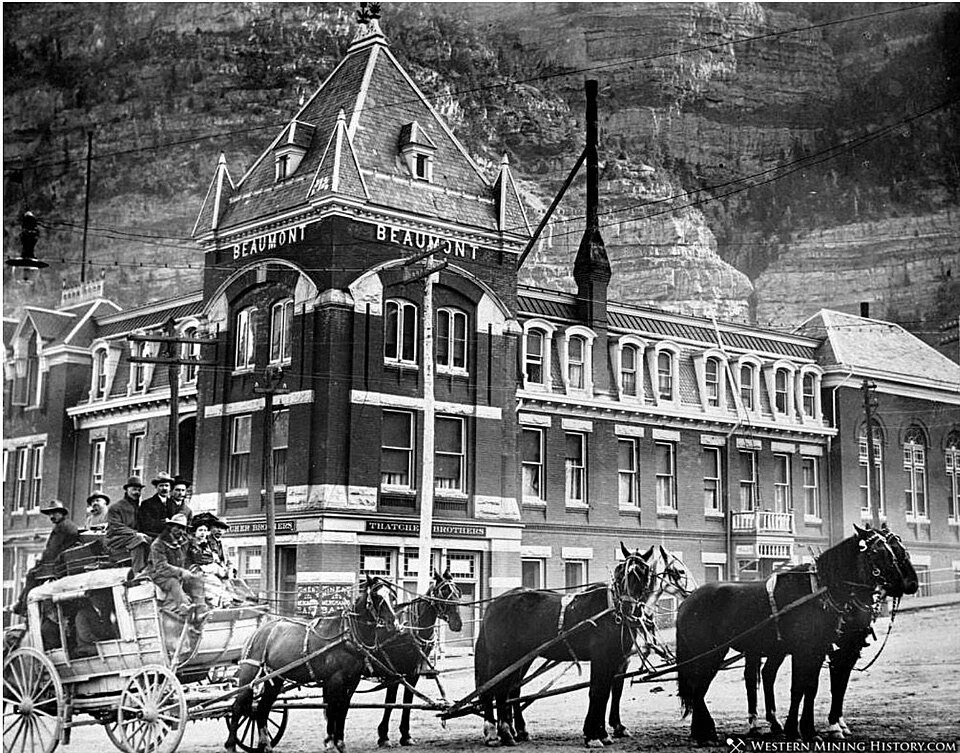
The Beaumont Hotel in Ouray reflects the elegance and hospitality of late-nineteenth-century mining-era tourism in the San Juan Mountains.
If you want the complete experience in one place, the San Juan Skyway becomes most meaningful when viewed as a connected system of landscapes, geology, and history.
→ Go Deeper: The Complete San Juan Skyway Guidebook
The San Juan Skyway: Into the Heart of the Colorado Rockies
Want the full Journey?