• Core Function: Snowpack acts as a seasonal water reservoir for the region
• Typical Depth: Snow can exceed 8–12 feet in high alpine zones during heavy years
• Major Rivers Fed: Animas • Uncompahgre • Dolores
• Key Process: Gradual spring melt regulates downstream water supply
• Slope Effect: South-facing slopes melt earlier; north-facing retain snow longer
• Primary Risk Factor: Year-to-year variability affects water supply and wildfire risk
• System Role: Supports agriculture, ecosystems, and municipal water use
(Climate & Hydrology of the San Juan Mountains)
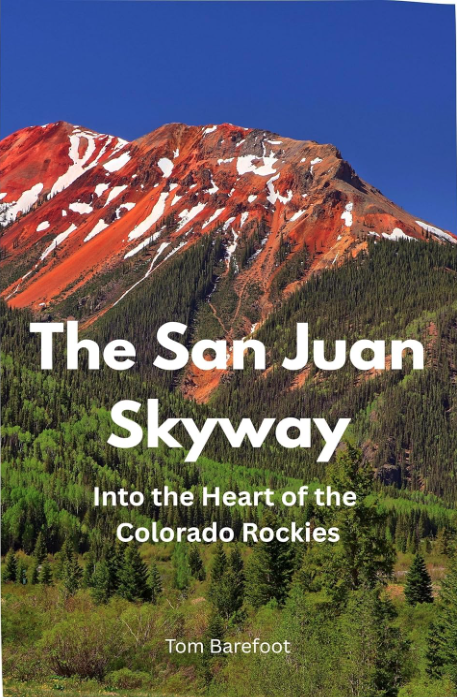
Adapted from The San Juan Skyway: Into the Heart of the Colorado Rockies
Snowpack & Water Systems of the San Juans
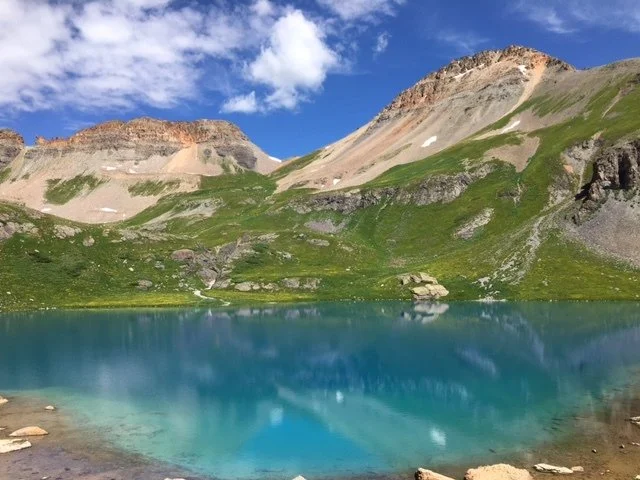
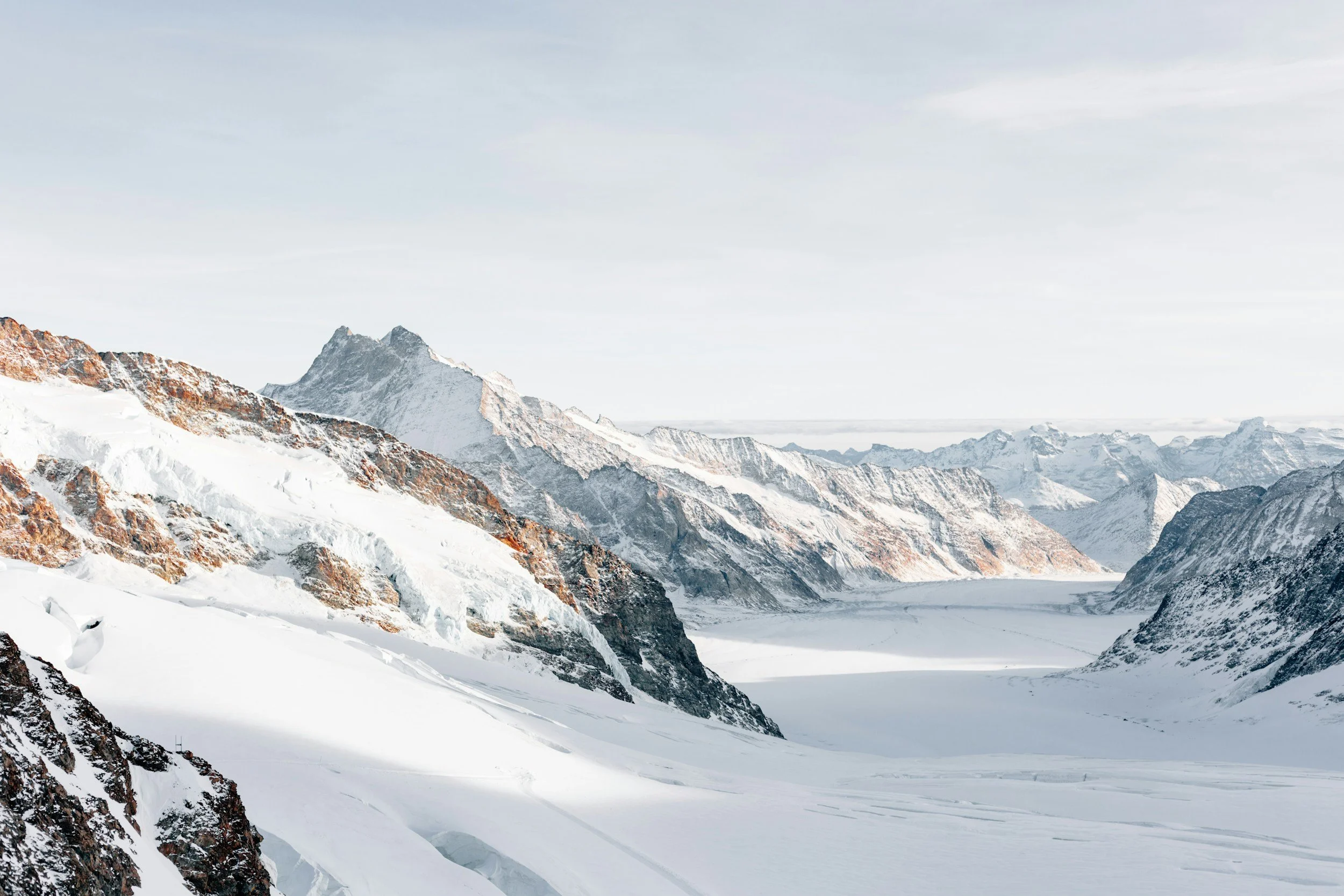
Ice Lake near Silverton, Colorado, illustrates lingering alpine snowpack and meltwater-fed ecosystems that supply streams and rivers across the San Juan Mountains.
Attribution: Public domain – Wikimedia Commons
Snow and water are the lifeblood of the San Juan Mountains. Winter snowfall accumulates at high elevations, forming a natural reservoir that gradually feeds rivers and streams through spring and summer.
Understanding snowpack and water systems is essential to interpreting both the ecology and human systems of southwestern Colorado. These cycles influence agriculture, wildfire risk, river ecosystems, and long-term climate stability.
Introduction
Snowpack: Nature’s Reservoir
At elevations above 8,000 feet, winter snow can exceed ten feet during heavy snow years. This seasonal accumulation functions as a high-altitude water storage system. As temperatures rise in spring, snowmelt provides a steady release of water into rivers and streams, feeding ecosystems and downstream communities.
Summer streamflow supports:
• Agriculture and irrigation systems
• Municipal water supplies
• Recreation (rafting, fishing, tourism economies)
However, annual snowfall varies significantly. These fluctuations directly affect river volume, soil moisture, wildfire risk, and ecosystem stability across the region.
Climate Influence on Snow and Water
Snow accumulation and melt patterns are shaped by elevation, slope orientation, and regional weather systems.
High-elevation zones retain colder temperatures, preserving deep snowpack into late spring and extending runoff into early summer.
Slope orientation plays a major role:
• South-facing slopes → receive more sunlight, melt earlier
• North-facing slopes → retain snow longer, extend runoff season
These interacting variables—combined with storm cycles and long-term climate trends—make snowpack highly dynamic and increasingly important to monitor.
Communities across southwestern Colorado depend heavily on snow-fed river systems originating in the San Juan Mountains.
Key dependencies include:
• Agriculture → irrigation systems drawing from snowmelt-fed streams
• Municipal water → reservoirs filled by spring runoff
• Recreation economy → rafting and fishing tied to seasonal river flow
Snowpack variability, therefore directly affects both ecological systems and human infrastructure.
Human Interactions with Water Systems
Snowpack functions as a natural water bank for the entire region. Changes in accumulation or melt timing affect both natural systems and human communities.
• Regulates River Systems – controls seasonal flow and aquatic habitat health
• Supports Agriculture – sustains irrigation-dependent farming downstream
• Influences Wildfire Risk – low snow years increase drought stress and fire potential
• Reflects Climate Trends – long-term changes indicate broader environmental shifts
Why it Matters
Continue Exploring: Climate, Seasons, and When to Visit
Climate, Seasons, and When to Visit – Seasonal transitions and timing
Microclimates: Ouray vs. Silverton vs. Durango – Elevation-driven climate variation across towns
The North American Monsoon in Southwest Colorado – Summer storm systems and moisture cycles
Fall Color Timing and Elevation Bands – How elevation shapes autumn color timing
Climate Change Trends in the San Juans – Long-term changes in snow and temperature patterns
Weather Hazards in the San Juan Mountains – Lightning, storms, and high-elevation risks
Return to San Juan Skyway Hub Page
EXPLORE THE SKYWAY




Related San Juan Skyway References
Climate, Seasons, and When to Visit– Seasonal transitions and timing
Geography, Geology, and the Making of the San Juans – Natural forces shaping the region
Driving the San Juan Skyway– Planning the full scenic loop and travel experience
If you want the complete experience in one place, the San Juan Skyway becomes most meaningful when viewed as a connected system of landscapes, geology, and history.
Go Deeper: The Complete San Juan Skyway Guidebook
The San Juan Skyway: Into the Heart of the Colorado Rockies
Want the Full Journey?