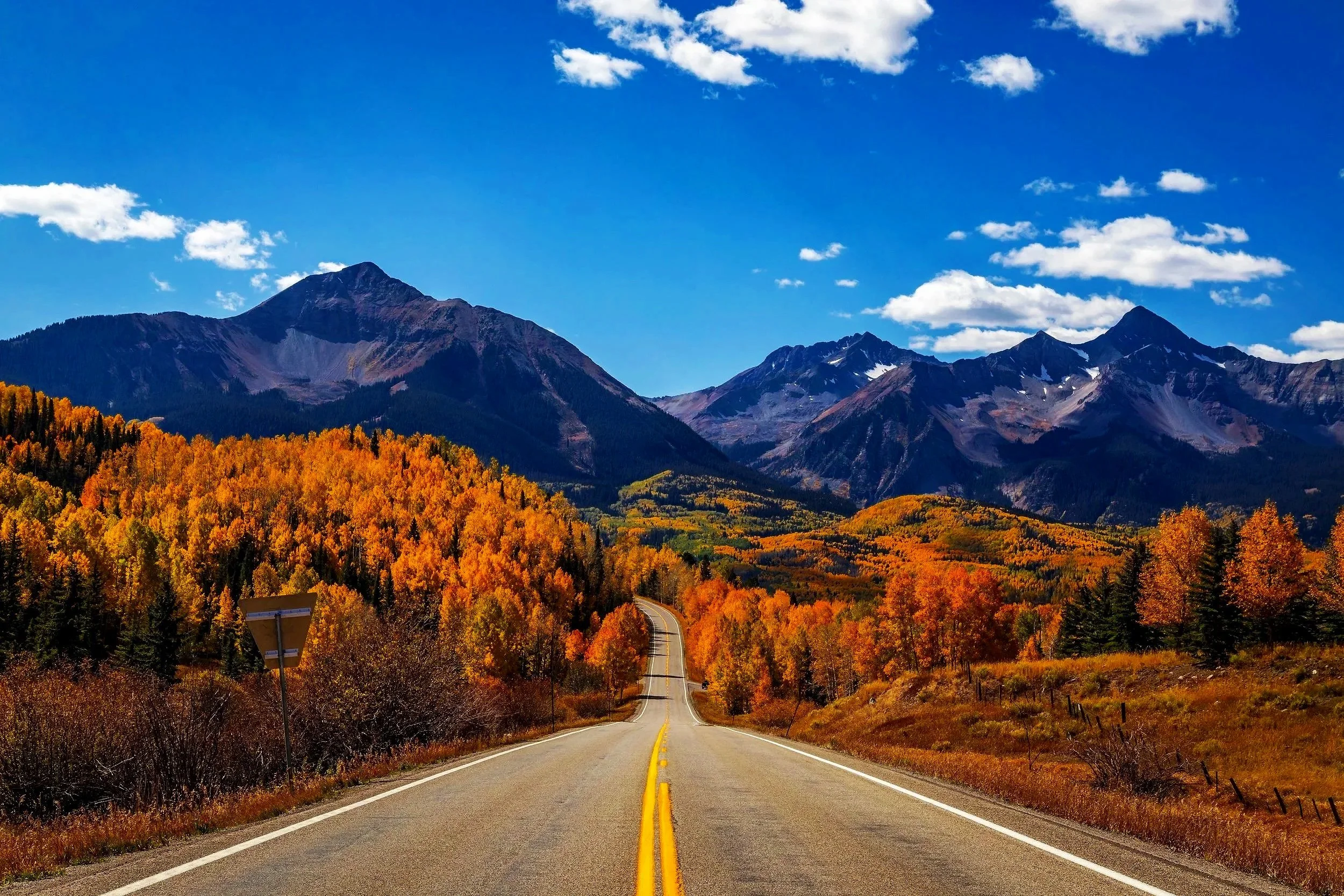
Wildflowers In The San Juan Mountains

@kimcolorado_
QUICK FACTS
Wildflower season typically runs from late June through early August
Peak bloom varies widely depending on snowpack and melt timing
Elevation plays a major role—higher elevations bloom later
Alpine basins and meadows offer the most concentrated displays
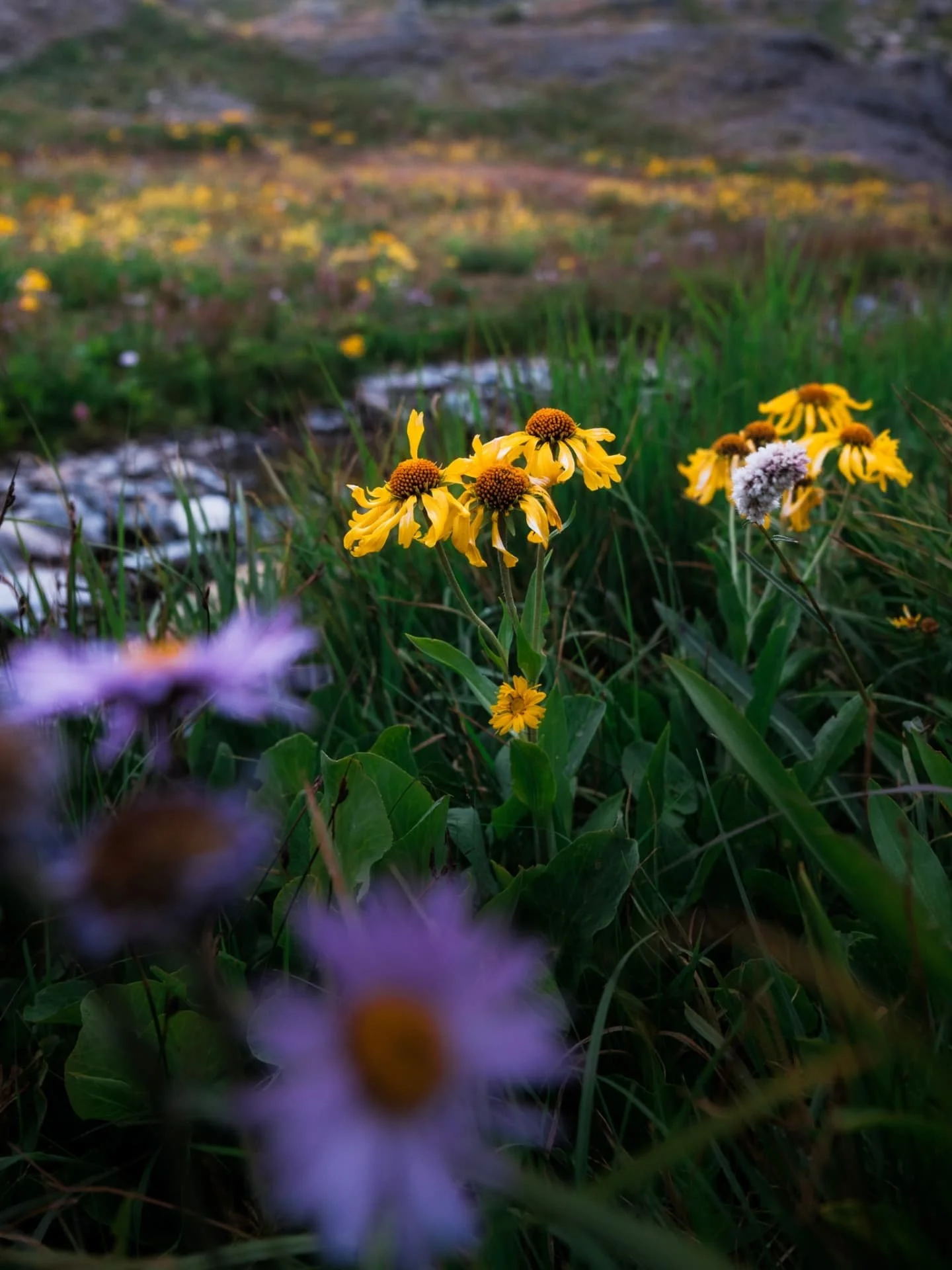
Common species include lupine, Indian paintbrush, and columbine
The San Juan Skyway provides access to multiple wildflower zones
Each summer, the San Juan Mountains transform into one of the most vibrant alpine landscapes in North America. Meadows burst into color, mountain slopes fill with wildflowers, and high basins become living mosaics of purple, red, yellow, and blue.
This page serves as the central guide to understanding wildflower season across the region—how it develops, when it peaks, and where to experience it throughout the San Juan Skyway.
It connects directly to essential planning resources including [Best Time for Wildflowers in the San Juan Mountains], [Wildflower Scenic Drives – San Juan Skyway], and top viewing areas featured in [Best Places to See Wildflowers in the San Juan Mountains] Coming soon.
HOW WILDFLOWERS DEVELOP IN THE SAN JUAN MOUNTAINS
Wildflower season in the San Juan Mountains is driven primarily by snowpack and the timing of spring melt. Unlike fall colors, which follow a more predictable pattern, wildflowers emerge in response to when snow recedes and soil begins to warm.
As snow melts at lower elevations, early blooms begin to appear in valleys and foothills. Over time, the bloom progresses upward into mid-elevation forests and eventually into high alpine basins.
This creates a moving wave of color that climbs the mountains throughout the summer rather than appearing all at once.
→ For how seasonal timing shifts year to year, see [Weather & Snowpack Variability and Wildflowers in the San Juan Mountains] Coming Soon
REGIONAL WILDFLOWER LANDSCAPES
Wildflowers in the San Juan Mountains are not confined to a single setting—they appear across a wide range of terrain shaped by elevation, moisture, and exposure.
Key environments include:
Open alpine basins filled with dense seasonal blooms
Mountain meadows where wildflowers spread across rolling terrain
Roadside corridors where color lines scenic drives
Forest clearings where filtered light supports mixed vegetation
Notable viewing experiences include:
High elevation basins accessed from the San Juan Skyway
Expansive meadows near mountain passes
Lower elevation areas that bloom earlier in the season
Each landscape offers a different expression of the same seasonal cycle.
@akihide.uchida
EXPERIENCING WILDFLOWERS ALONG THE SAN JUAN SKYWAY
The San Juan Skyway provides one of the most effective ways to experience wildflowers across multiple elevation zones.
Unlike single-destination areas, the Skyway allows travelers to follow the progression of bloom as it moves upward through the mountains. Early in the season, lower elevations begin to flower. By mid-summer, higher basins and alpine areas reach peak bloom.
Driving routes outlined in [Wildflower Scenic Drives – San Juan Skyway] highlight the best ways to experience this transition. Coming Soon
For specific locations and top viewing areas, see [Best Places to See Wildflowers in the San Juan Mountains]. Coming Soon
→ For elevation-based timing, see [Best Time for Wildflowers in the San Juan Mountains] Coming Soon
PRACTICAL INFORMATION
Timing
Wildflower season generally runs from late June through early August, with peak bloom shifting depending on elevation and seasonal conditions.
Conditions
Snowpack, temperature, and rainfall all influence bloom timing and intensity. Late snowmelt can delay peak season, while dry conditions may shorten it.
What to Expect
Wildflower displays vary significantly year to year. Some seasons produce dense, widespread blooms, while others are more limited depending on moisture and weather patterns.
CONNECTION TO THE SAN JUAN SKYWAY
Wildflower season is one of the defining summer experiences of the San Juan Skyway.
Because the route connects multiple elevation zones, it allows travelers to experience different stages of bloom within a single journey—from early-season valley flowers to peak alpine displays. This page anchors all wildflower content across the Skyway system, connecting timing, routes, and locations into a unified seasonal experience.
WHY IT MATTERS
Central hub for all wildflower planning in the San Juan Mountains
Explains snowpack-driven seasonal variation
Connects elevation zones into a single summer experience
Supports trip planning along the San Juan Skyway
Serves as the SEO authority page for the wildflower cluster
CONTINUE EXPLORING – WILDFLOWERS IN THE SAN JUAN MOUNTAINS
Plan Your Timing
[Best Time for Wildflowers in the San Juan Mountains] – Elevation-based timing and seasonal patterns Coming Soon
[When Are Peak Wildflowers in the San Juan Mountains?] – Peak bloom timing and seasonal variability Coming Soon
Explore Scenic Routes
[Wildflower Scenic Drives – San Juan Skyway] – Route-based wildflower experiences across the region Coming Soon
Find the Best Locations
[Best Places to See Wildflowers in the San Juan Mountains] – Top viewing areas and elevation zones Coming Soon
Understand Seasonal Variability
[How Weather and Snowpack Affect Wildflowers in the San Juan Mountains] – Snowmelt, moisture, and changing conditions Coming Soon
Return to San Juan Skyway Home Page
ADDITIONAL TOPICS ACROSS THE SAN JUAN SKYWAY
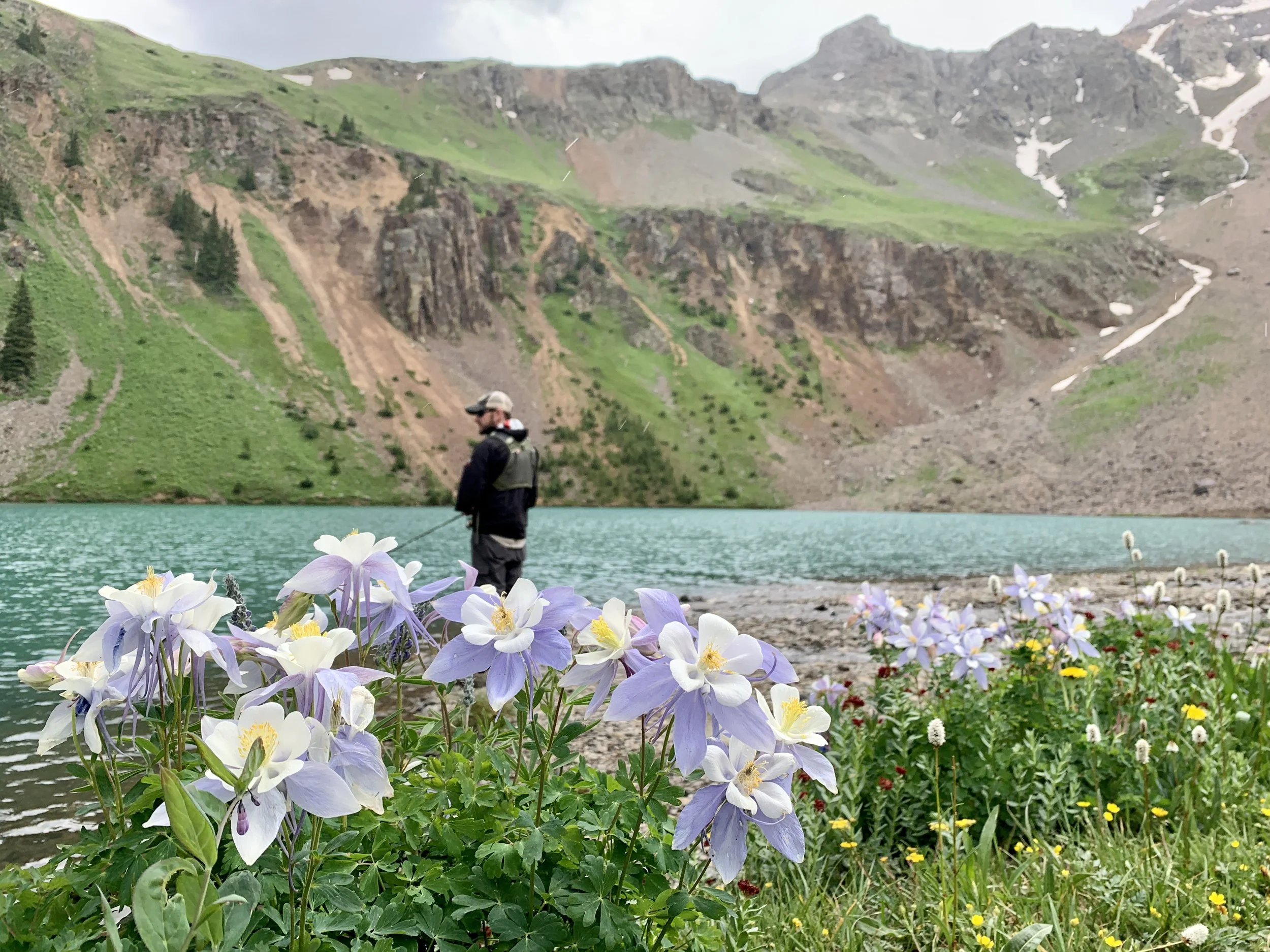
High alpine basin in the San Juan Mountains of Colorado during summer, showcasing open meadows, rugged peaks, and seasonal alpine growth typical of the region’s high-elevation wildflower environments.
Photo by: Mara Chilcote
If you want the complete experience in one place, the San Juan Skyway becomes most meaningful when viewed as a connected system of landscapes, geology, and history.
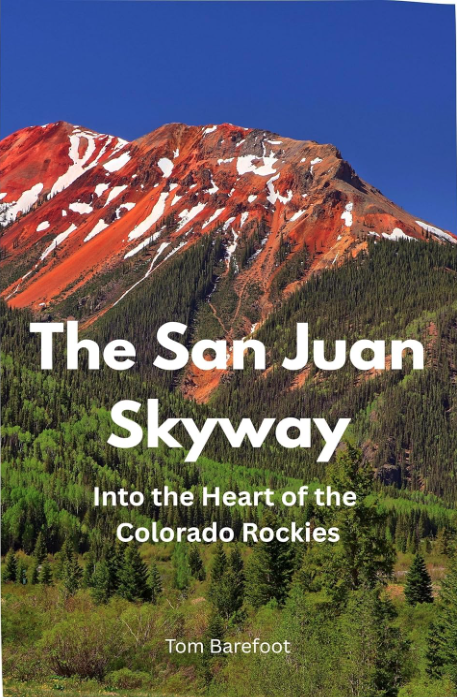
→ Go Deeper: The Complete San Juan Skyway Guidebook
The San Juan Skyway: Into the Heart of the Colorado Rockies
Want the full Journey?