Geography, Geology, and the Making of the San Juans
QUICK FACTS
Formation Age: ~35–25 million years ago (major volcanic phase)
Primary Origin: Massive volcanic eruptions and caldera collapse
Major Shaping Force: Ice Age glaciation during the Pleistocene
Key Rock Types: Andesite, rhyolite, tuff, basalt, granite
Mineral Wealth: Gold, silver, copper, lead, zinc deposits
Landscape Drivers: Volcanism + glaciation working together
Mining Influence: Hydrothermal ore systems created historic boomtowns
Geologic Character: One of North America’s most complex mountain ranges

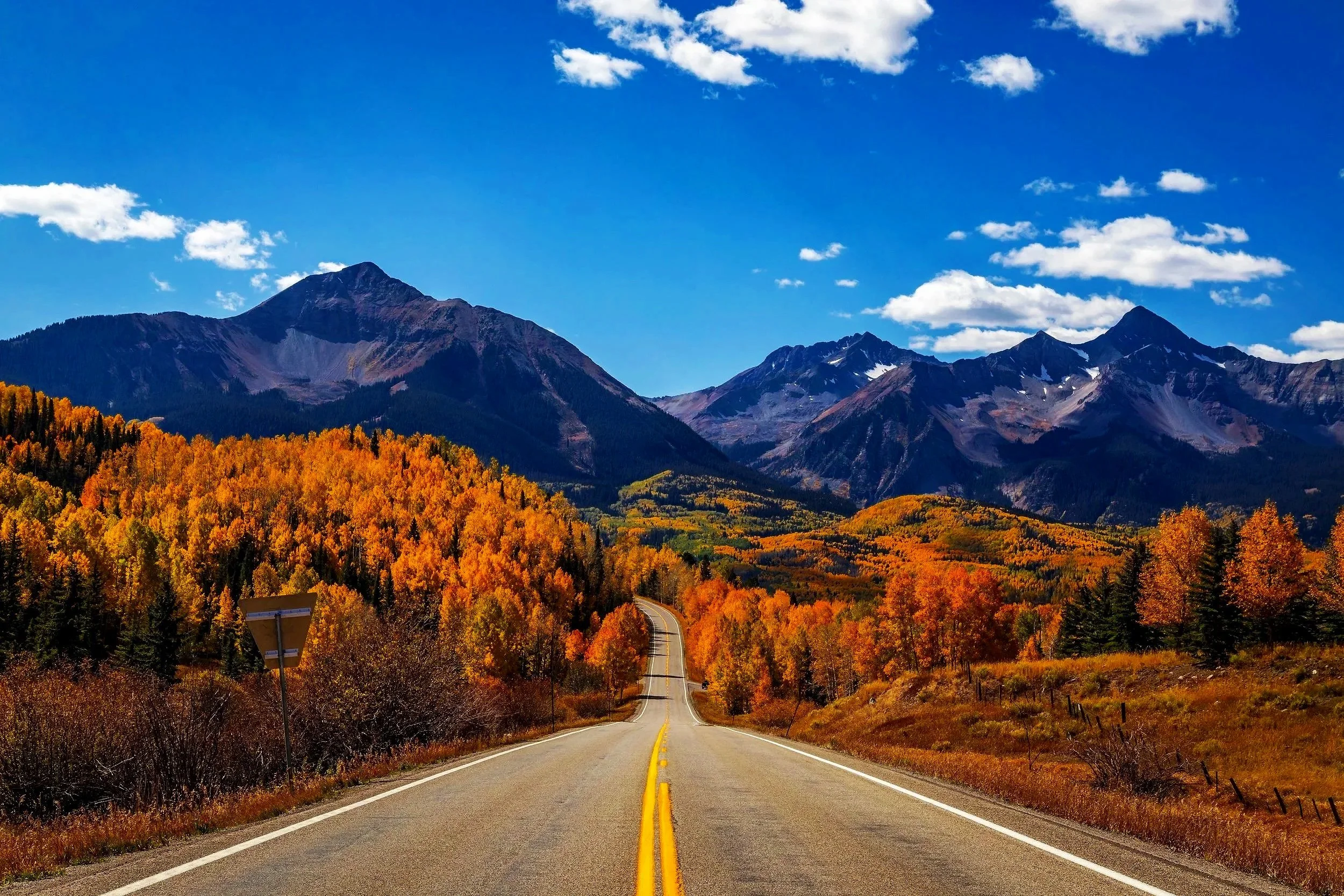
The San Juan Mountains are among the most geologically complex and visually dramatic ranges in Colorado. Jagged peaks, deep glacial valleys, and layered volcanic formations record millions of years of fire, ice, and tectonic activity. This geologic story is visible everywhere along the San Juan Skyway—from high alpine basins to steep canyon walls—and directly shaped both natural landscapes and human settlement patterns.
VOLCANIC ORIGINS OF THE SAN JUAN MOUNTAINS
The San Juans formed primarily during the Oligocene epoch (~35–25 million years ago), when intense volcanic activity reshaped this part of the Rocky Mountains. Massive eruptions produced:
Ash-flow tuffs
Lava flows
Calderas spanning tens of miles
These eruptions built the foundational volcanic platform of the modern range.
CALDERA FORMATION AND ASH-FLOW TUFFS
Calderas formed when large magma chambers emptied during explosive eruptions and collapsed inward. These events created:
Thick ash-flow tuff layers
Volcanic breccias
Welded rock formations forming cliffs and ridges
Over time, erosion exposed these structures, creating much of the dramatic topography seen today along the Skyway.
GLACIATION AND ICE AGE SCULPTING
During the Pleistocene Ice Age, glaciers reshaped the volcanic landscape into its modern alpine form.
Glacial activity carved:
U-shaped valleys
Cirques and amphitheater basins
Sharp ridgelines and horns
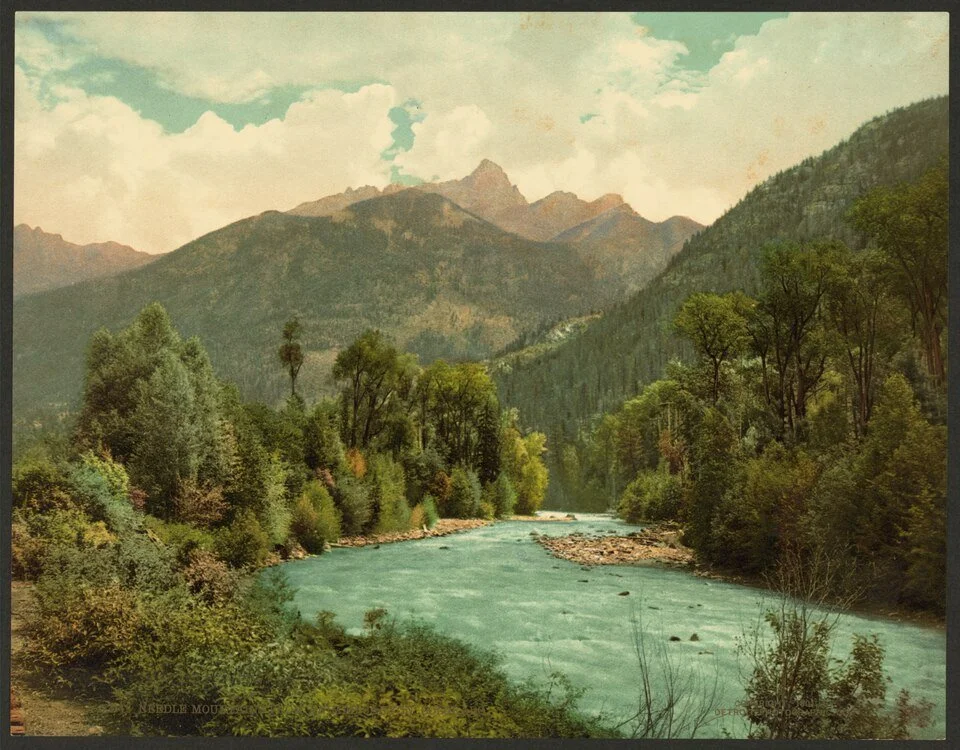
Moraines and glacial lakes remain visible throughout areas such as the Sneffels Range and Needle Mountains, preserving clear evidence of Ice Age movement.
MINERALIZATION AND ORE FORMATION
Volcanic activity also created extensive hydrothermal systems that concentrated valuable minerals underground.
These processes formed deposits of:
Gold
Silver
Copper
Lead
Zinc
These mineral systems fueled historic mining districts such as Silverton and Ouray, shaping settlement patterns and regional development.
ROCK TYPES OF THE SAN JUANS
The San Juan Mountains contain a diverse mix of volcanic and intrusive rock types, including:
Andesite – common volcanic lava rock
Rhyolite – high-silica explosive volcanic rock
Tuff – compacted volcanic ash layers
Basalt – darker, denser lava flows
Intrusive granite – deep crustal formations exposed by uplift and erosion
Together, these rock types form the structural foundation of the range.
CONTINUE EXPLORING (GEOLOGY CLUSTER)
[Volcanic Origins of the San Juan Mountains – How eruptions built the range Coming Soon
[Caldera Formation and Ash Flow Tuffs] – Collapse structures and volcanic deposits Coming Soon
[Glaciation and Ice Age Sculpting] – How ice reshaped volcanic terrain Coming Soon
[Mineralization and Ore Formation] – How ore deposits formed in hydrothermal systems Coming Soon
[Rock Types of the San Juans (Andesite, Rhyolite, etc.)] – Composition of the range Coming Soon
Return to San Juan Skyway Home Page
ADDITIONAL TOPICS ACROSS THE SAN JUAN SKYWAY
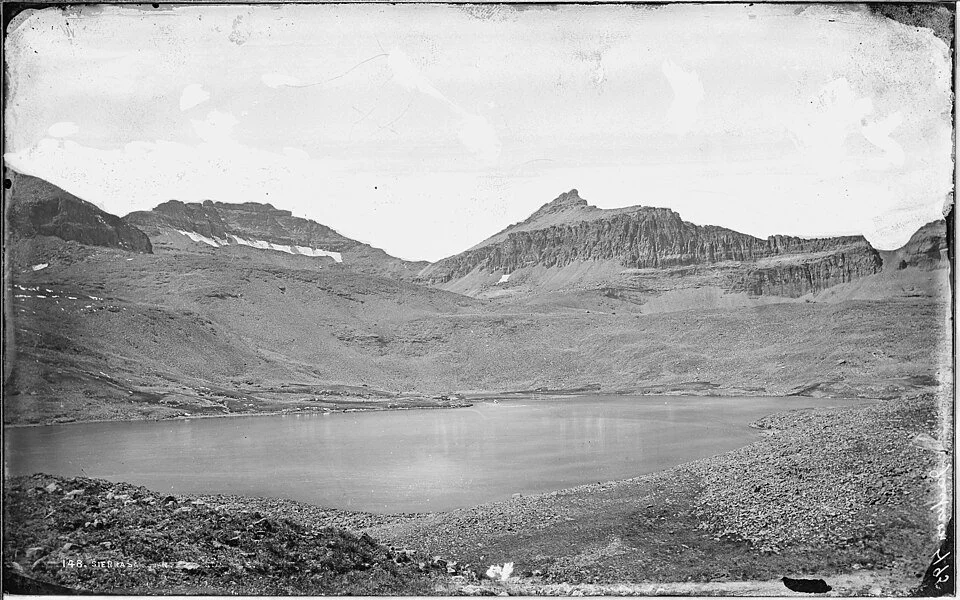
Ice Lake near Silverton showing a classic glacial cirque formed within volcanic terrain
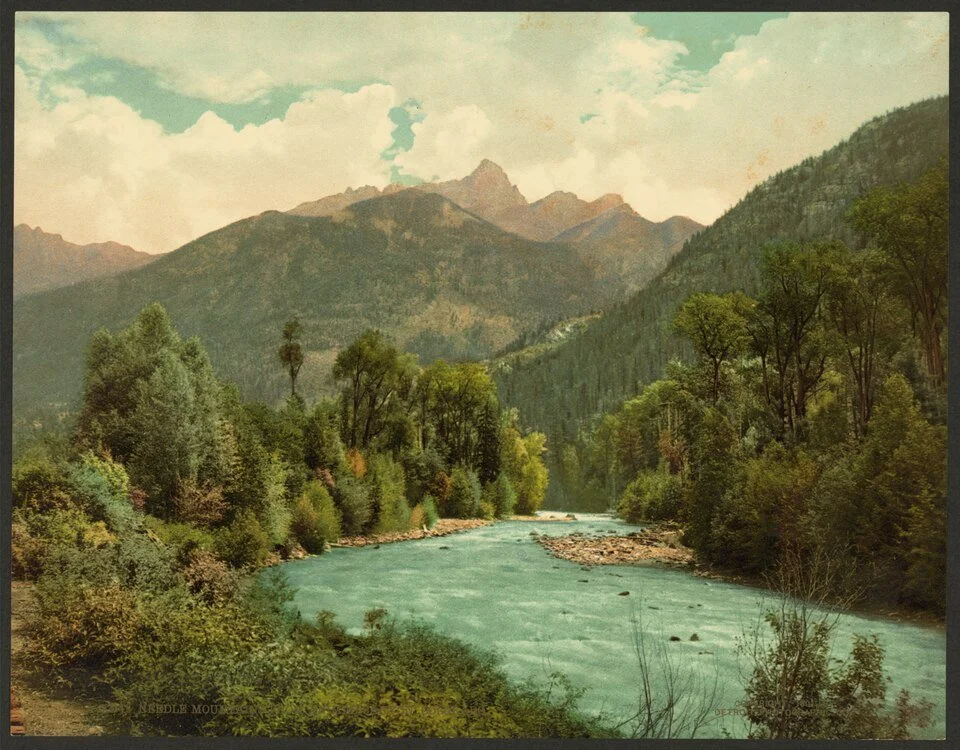
Glacially sculpted peaks of the Needle Mountains reveal the interaction of volcanic structure and Ice Age erosion
If you want the complete experience in one place, the San Juan Skyway becomes most meaningful when viewed as a connected system of landscapes, geology, and history.
→ Go Deeper: The Complete San Juan Skyway Guidebook
The San Juan Skyway: Into the Heart of the Colorado Rockies
Want the full Journey?