The Million Dollar Highway
QUICK FACTS
U.S. Route 550 segment between Ouray and Silverton in southwest Colorado
Known for steep grades, tight switchbacks, and exposed Cliffside driving
Passes through historic mining districts dating to the late 1800s
Includes Red Mountain Pass at 11,018 feet, a major high point
Features dramatic alpine scenery, narrow lanes, and cliff-edge sections
Originally developed as a toll road to connect mining communities
Designated as part of the San Juan Skyway scenic byway
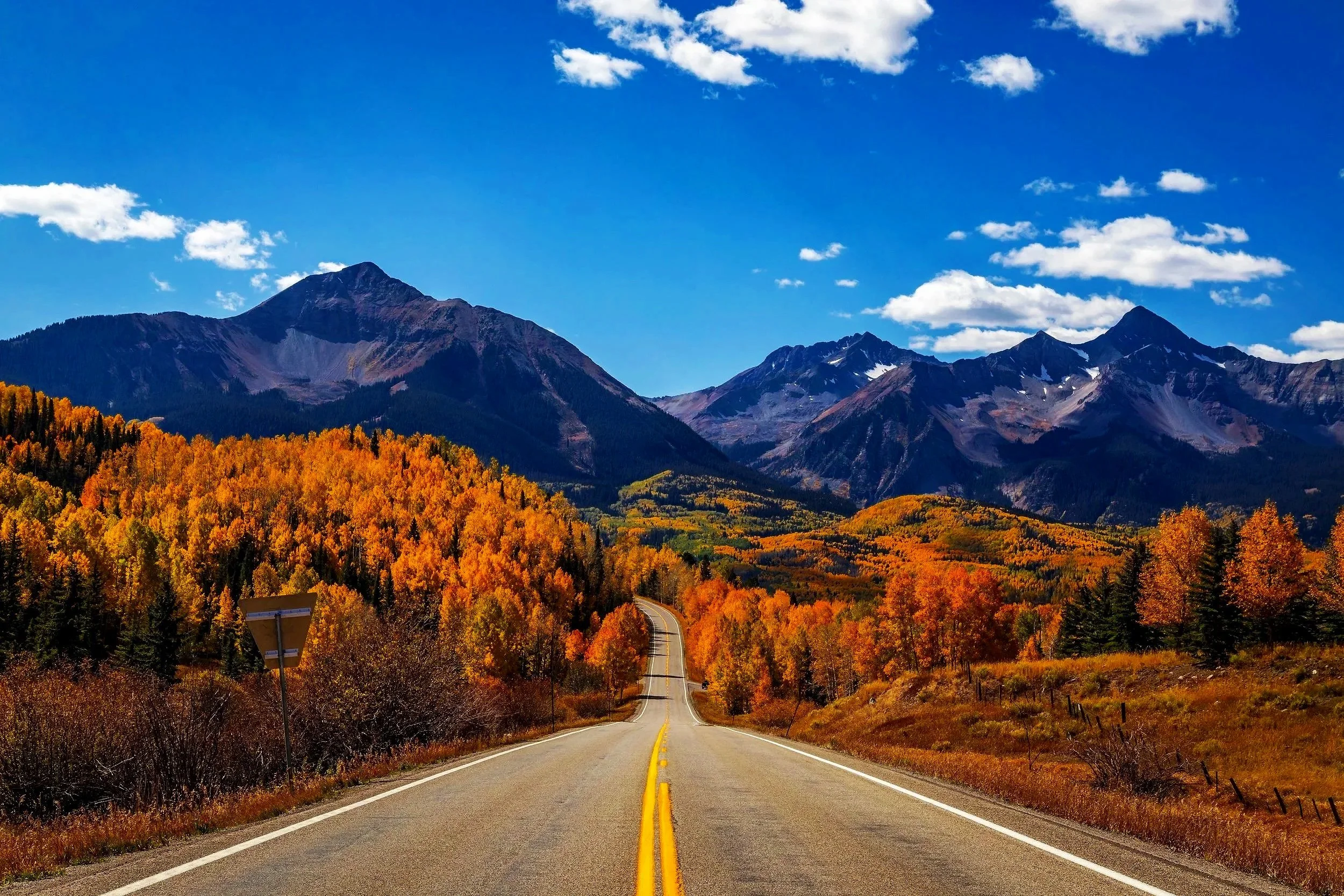
The Million Dollar Highway—the stretch of U.S. Route 550 between Ouray and Silverton—is one of the most iconic mountain corridors in Colorado. Known for its steep grades, tight switchbacks, and expansive alpine views, it passes directly through the heart of the San Juan Mountains. This route combines historic transportation engineering with dramatic high-country scenery and visible traces of the region’s mining past.
Travel along this section reveals a concentrated expression of the San Juan Skyway, where rugged cliffs, high passes, and historic mining landscapes come together in a continuous alpine experience
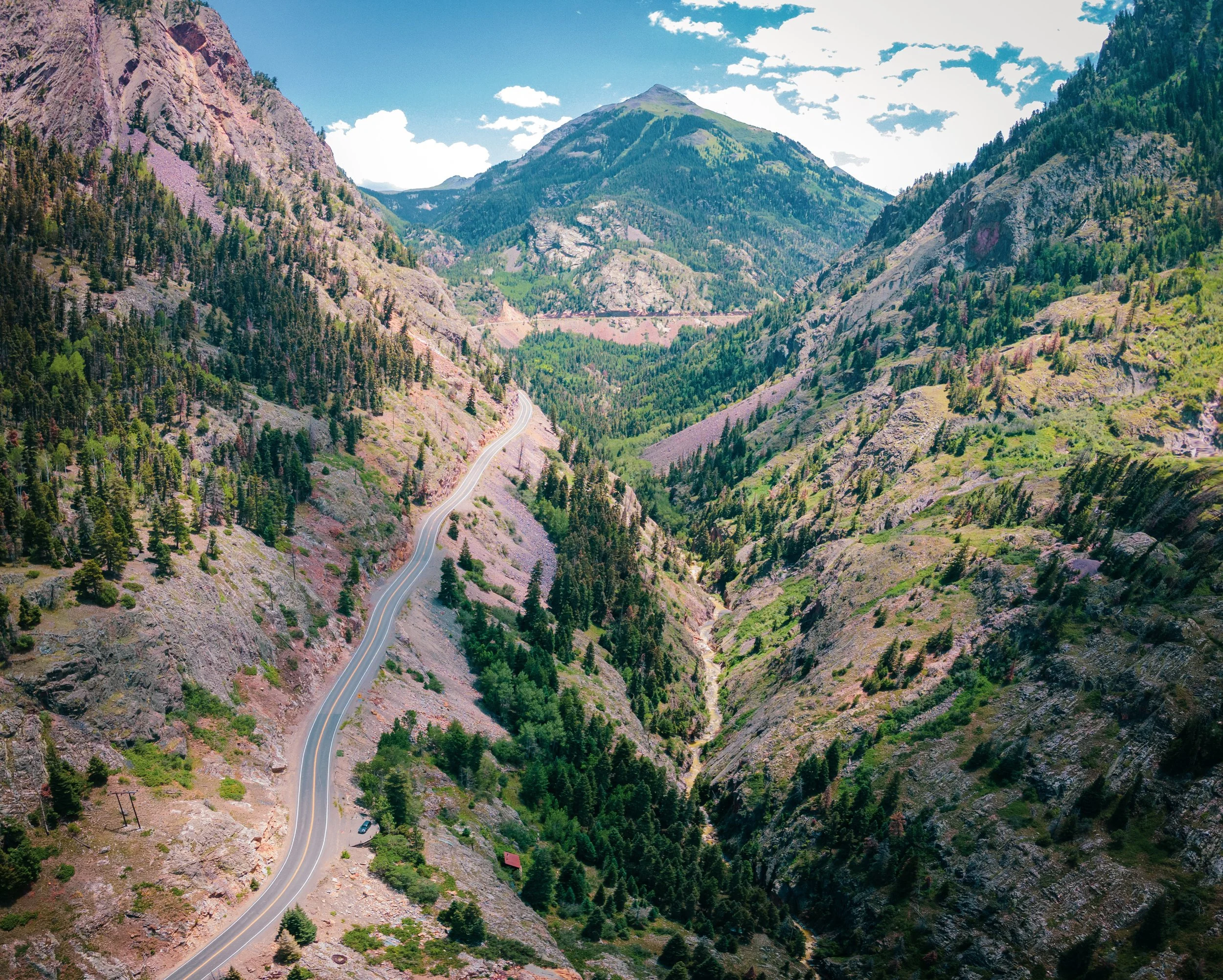
Red Mountain Pass is one of the most visually distinctive sections of the highway, defined by its colorful geology and high-elevation terrain.
Highlights include:
Red-stained slopes shaped by iron-rich mineral deposits
Historic mining remnants including structures and abandoned sites
Tight switchbacks carved into steep mountain walls
Expansive views across valleys and surrounding peaks
This section reflects both the natural geologic character of the San Juans and the human history of mining exploration in extreme terrain.
Red Mountain Pass
Scenic Pullouts and Overlooks
Designated pullouts allow visitors to experience the landscape without obstructing traffic along the narrow roadway. These locations highlight the transition between mining landscapes, alpine ridges, and river systems.
Ironton Park – Broad valley views and historic mining remnants
Red Mountain Pass summit – High-elevation panoramic viewpoints
Animas River corridor overlooks – River valleys and canyon scenery
Winter Maintenance and Avalanche Zones
Sections of the highway pass through avalanche-prone terrain, particularly near Red Mountain Pass.
Continuous monitoring of snowpack and slope conditions
Seasonal closures during periods of high risk
Traction requirements depending on weather conditions
Respectful Driving Practices
Travel along this corridor requires attentiveness due to narrow lanes and changing conditions.
Maintain focus on steep and winding sections
Use pullouts for viewing and photography
Observe posted speed and traction requirements
Allow space for larger vehicles on narrow segments
These practices help maintain steady traffic flow and preserve the experience of the route.
Why This Topic Matters
Demonstrates one of Colorado’s most dramatic alpine corridors
Preserves visible links to mining-era transportation systems
Showcases engineering solutions in extreme mountain terrain
Provides access to high-elevation scenic landscapes
CONTINUE EXPLORING (The Million Dollar Highway)
[Engineering and Construction History] – How the route was carved through cliffs and avalanche zones Coming Soon
[Seasonal Driving Conditions] – Weather patterns and their impact on travel Coming Soon
[Scenic Pullouts and Overlooks] – Key viewpoints along the corridor Coming Soon
[Driving Conditions and Safety] – Best practices for narrow mountain driving Coming Soon
[San Juan Skyway Overview] – The full regional scenic system Coming Soon
Return to San Juan Skyway Home Page
ADDITIONAL TOPICS ACROSS THE SAN JUAN SKYWAY
Alpine Tundra Ecosystems Overview
San Juan Mountain Geologic Timeline
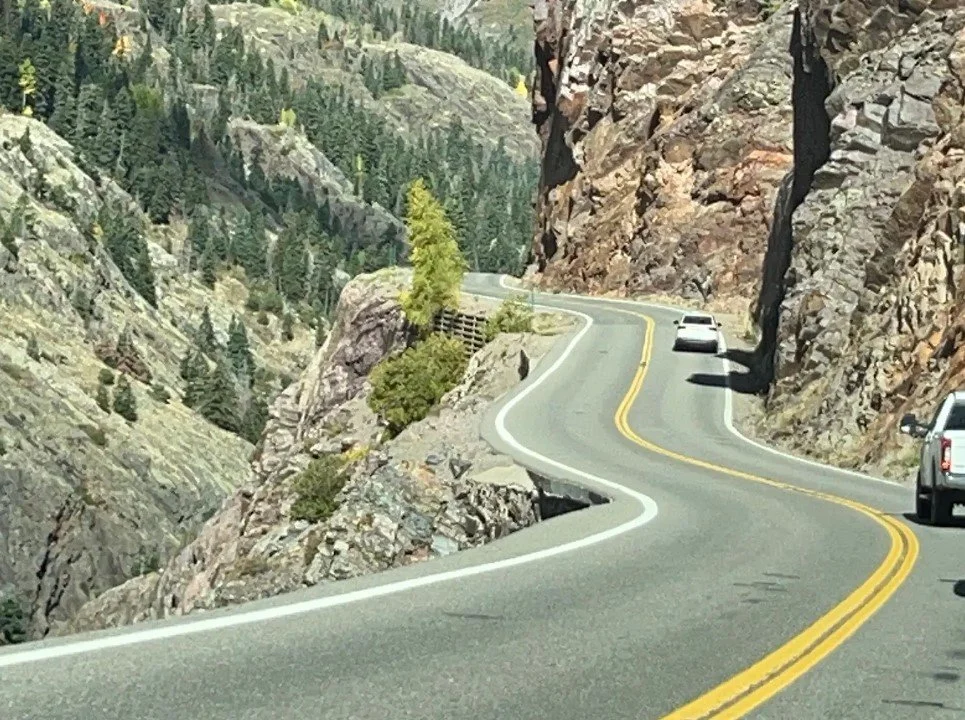
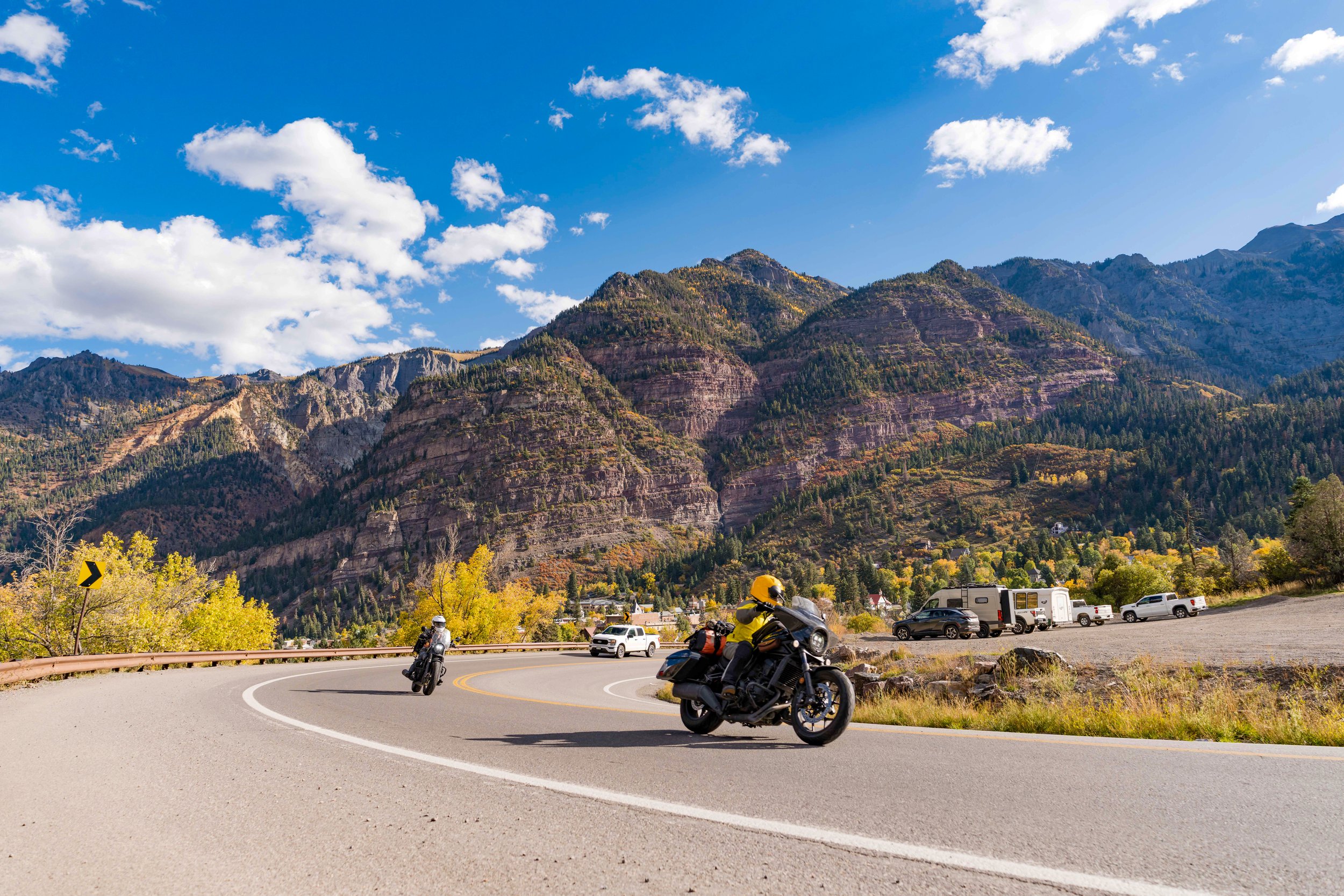
Cars navigate the steep, curving stretch of the Million Dollar Highway above Ouray, illustrating its dramatic cliffs and engineering challenges.
If you want the complete experience in one place, the San Juan Skyway becomes most meaningful when viewed as a connected system of landscapes, geology, and history.
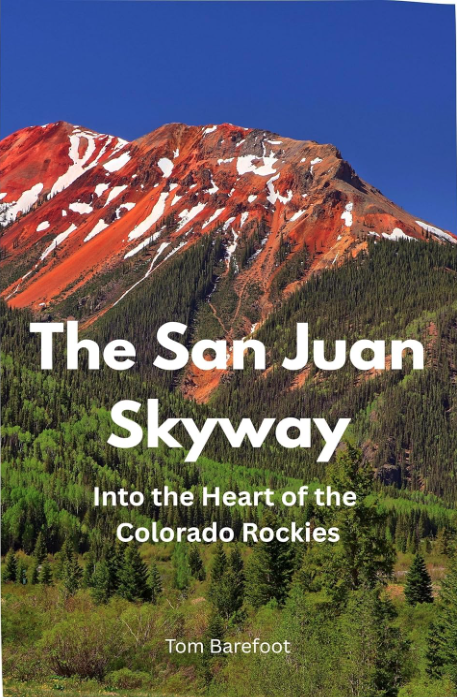
→ Go Deeper: The Complete San Juan Skyway Guidebook
The San Juan Skyway: Into the Heart of the Colorado Rockies
Want the full Journey?