The San Juan Fourteeners: A Complete Overview
QUICK FACTS
Location: San Juan Mountains, southwestern Colorado
Region Covered: High alpine zones along the San Juan Skyway
Elevation Range: 11,500 ft to 14,321 ft+
Total Fourteeners: 15 peaks in the San Juans
Highest Peak: Uncompahgre Peak (14,321 ft)
Notable Clusters: Sneffels Range, Uncompahgre Group, Needle Mountains
Landscape Type: Volcanic peaks, glacial basins, alpine tundra
Primary Access Towns: Ouray, Telluride, Silverton
Skyway Connection: Accessible from towns along the San Juan Skyway scenic loop
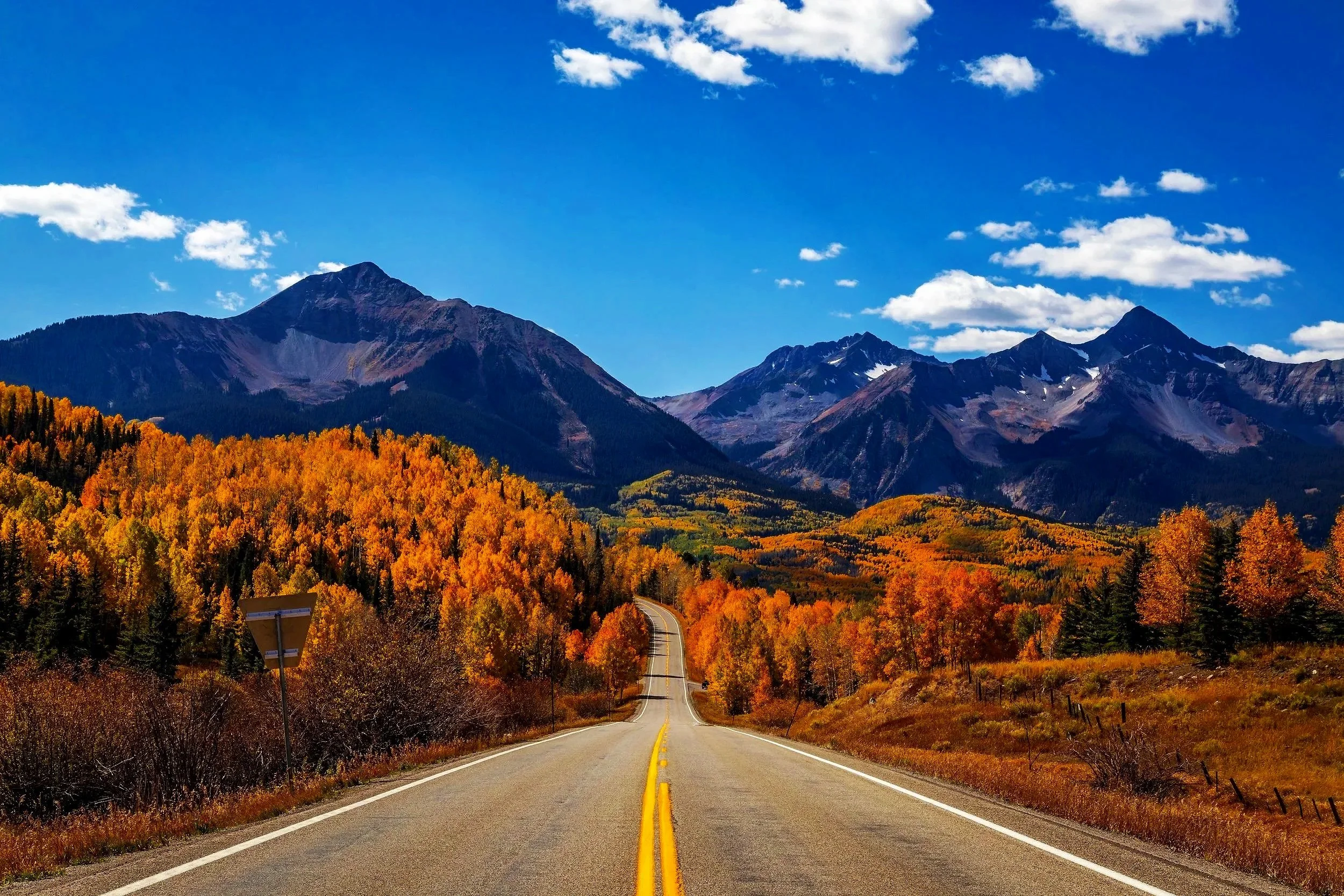
The San Juan Mountains contain some of the most dramatic high peaks in Colorado, including fifteen summits that rise above 14,000 feet. These mountains dominate the skyline along portions of the San Juan Skyway, where travelers often glimpse distant summits, steep ridgelines, and broad alpine basins carved by ancient glaciers. Unlike many Front Range peaks, the San Juans are more remote, rugged, and shaped by both volcanic forces and Ice Age glaciation.
A fourteener is any mountain peak that rises above 14,000 feet above sea level. Colorado contains 58 recognized fourteeners, 14 of which are located in the San Juan Mountains. Elevation defines the category, but other characteristics distinguish the San Juan peaks. Many rise sharply above surrounding terrain, creating dramatic relief and visual prominence. Their volcanic origins contribute to complex terrain, while access often requires longer approaches and more route awareness than peaks in other regions.
What Defines a Fourteener
Iconic San Juan Fourteeners
Uncompahgre Peak (14,321 ft) is the highest summit, known for its broad volcanic summit plateau. Mount Sneffels (14,158 ft) stands out for its steep pyramidal shape and striking alpine setting. Wetterhorn Peak (14,021 ft) features a dramatic summit block with a short but engaging climb. Redcloud Peak (14,034 ft) and Sunshine Peak (14,001 ft) are often paired along a connecting ridge. Handies Peak (14,048 ft) is considered one of the more accessible high peaks in the range. Windom Peak (14,093 ft) and Sunlight Peak (14,059 ft) lie deep in the remote Needle Mountains.
Major Fourteener Clusters
San Juan fourteeners are grouped into distinct subranges shaped by geology and elevation. The Sneffels Range rises above the Ouray and Telluride area, known for sharp ridgelines and glacial basins. The Uncompahgre Group includes broad volcanic peaks such as Uncompahgre, Wetterhorn, Redcloud, and Sunshine. The Needle Mountains, located near Silverton and Durango, contain some of the oldest rocks in Colorado and feature rugged, jagged terrain with limited access.
High-Altitude Travel in the San Juans
Travel at high elevation in the San Juans requires awareness of weather, terrain, and environmental sensitivity. Afternoon thunderstorms are common during summer months, and snowfields may linger well into the hiking season. Alpine tundra ecosystems are fragile, with short growing seasons and thin soils. Visitors should stay on established trails whenever possible and avoid disturbing vegetation. These environments are both visually striking and ecologically sensitive.
Chicago Basin: A Remote Alpine Example
Chicago Basin sits deep within the Needle Mountains at approximately 10,700 feet and serves as a gateway to several remote fourteeners. Access typically requires a multi-day hike or arrival via the Durango & Silverton Narrow Gauge Railroad, followed by a backcountry approach. From the basin, climbers can reach Windom Peak, Sunlight Peak, and Mount Eolus. Surrounded by waterfalls, cirques, and alpine meadows, the basin highlights both the geological history and rugged character of the San Juan high country.
Why This Topic Matters
The San Juan fourteeners represent some of the most dramatic and defining landscapes in the Rocky Mountains. Their volcanic origins and glacial shaping reveal the region’s geologic history, while their alpine environments support specialized ecosystems. They also play a major role in recreation, drawing hikers, climbers, and photographers. The skyline of these peaks defines much of the visual experience along the San Juan Skyway.
CONTINUE EXPLORING
[Chicago Basin and the Needle Mountains] – Remote alpine basin with access to multiple fourteeners Coming Soon
Thirteeners and Lesser-Known High Peaks – Quieter summits throughout the San Juan range
[Alpine Tundra Ecology] – Life and adaptation above treeline Coming Soon
San Juan Mountains Geography – Physical layout and structure of the range
San Juan Skyway Scenic Drive – Route connecting major mountain regions
Return to San Juan Skyway Home Page
ADDITIONAL TOPICS ACROSS THE SAN JUAN SKYWAY
[The Silver Crash of 1893] Coming Soon
[Elk, Deer, and Large Mammals] Coming Soon
[Black Bears and Mountain Lions] →
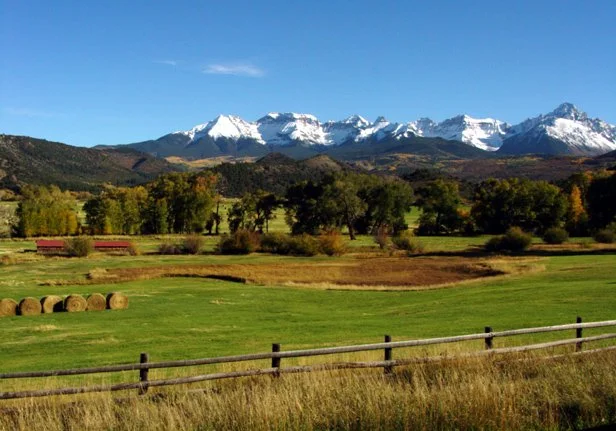
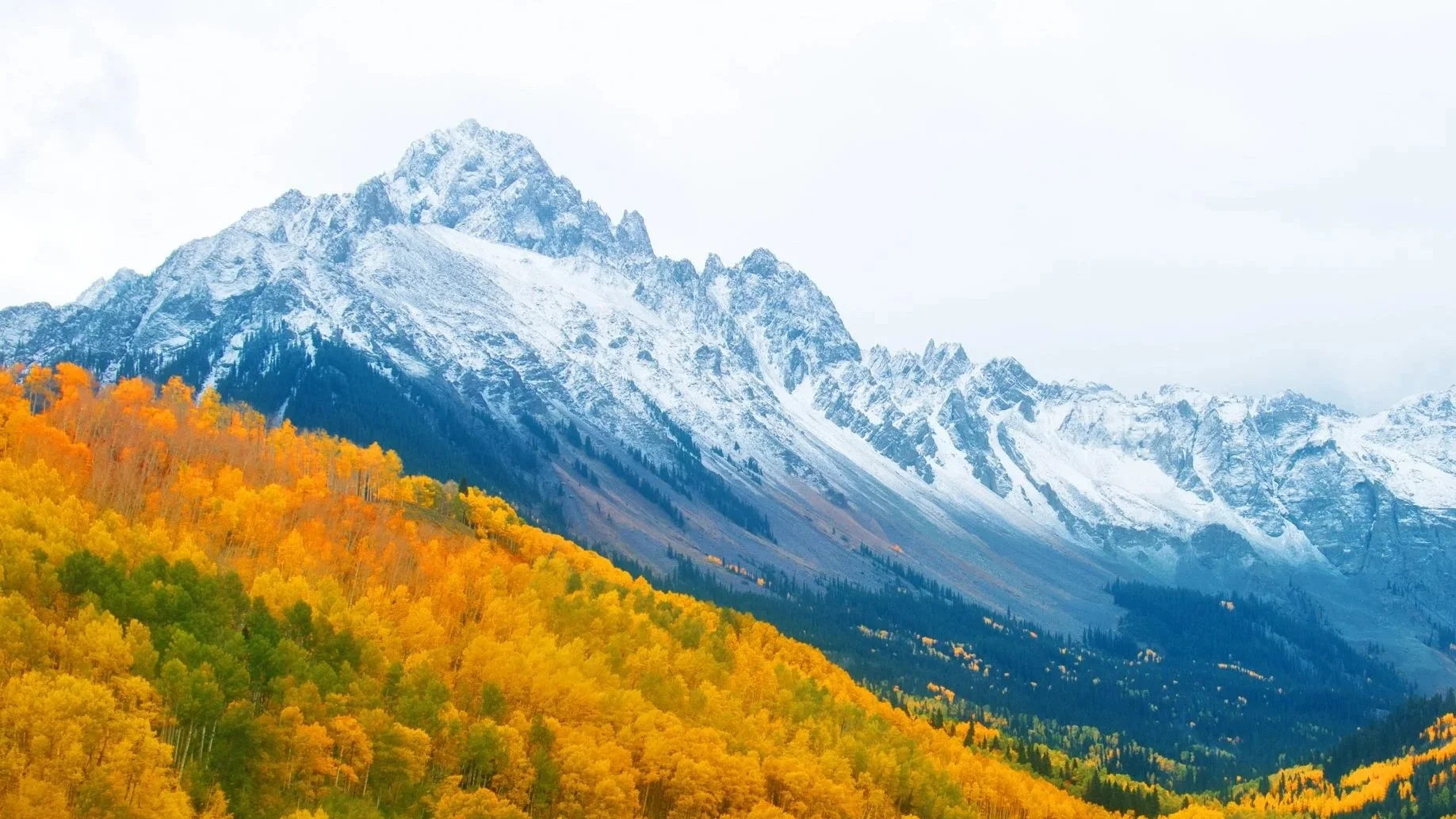
Mount Sneffels rises above the San Juan Mountains near Ouray, Colorado, illustrating the dramatic alpine terrain and glacially carved basins typical of the region’s fourteeners.
Public domain – via Wikimedia Commons
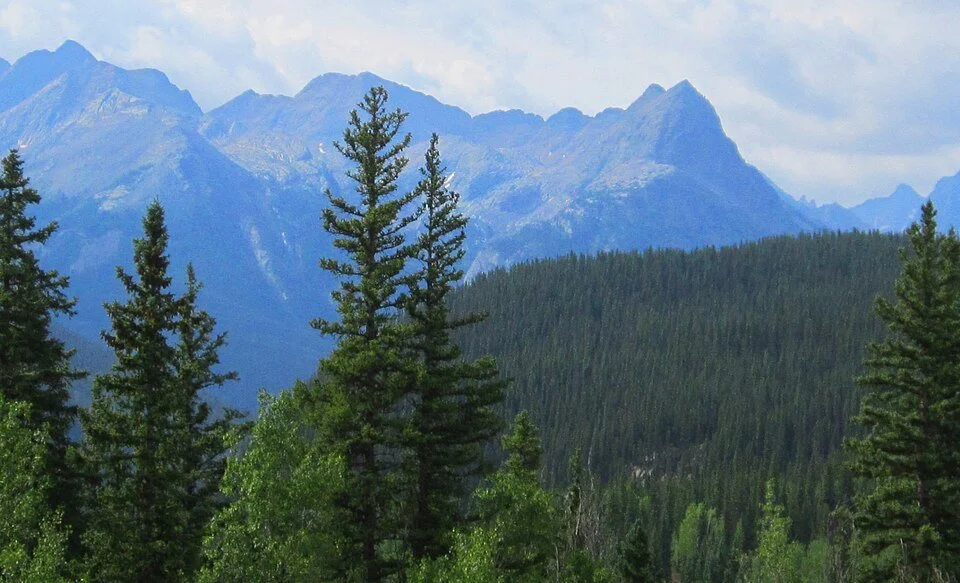
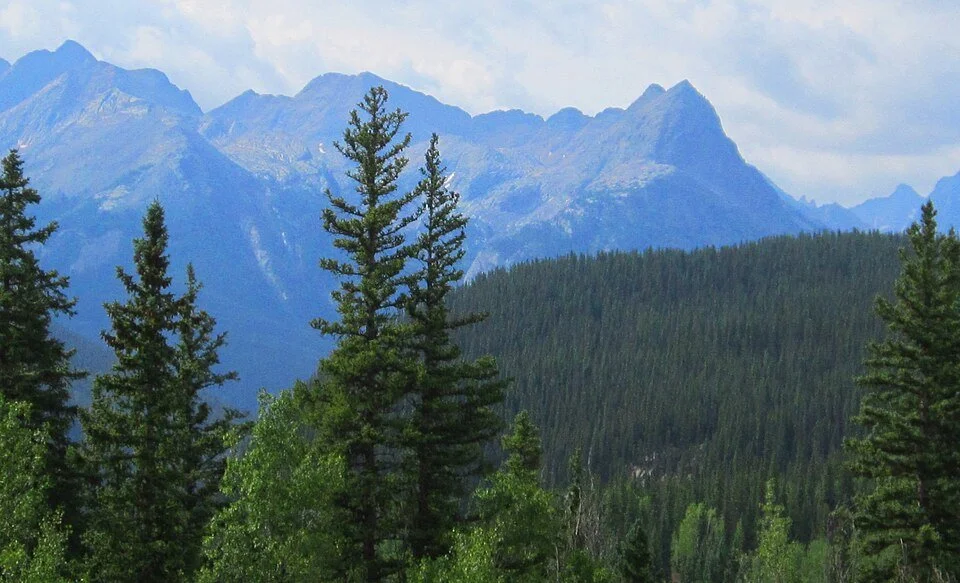
The Needle Mountains form one of the most rugged sections of the San Juan range, with remote alpine basins and dramatic high peaks defining the landscape.
Public domain – via Wikimedia Commons
If you want the complete experience in one place, the San Juan Skyway becomes most meaningful when viewed as a connected system of landscapes, geology, and history.
→ Go Deeper: The Complete San Juan Skyway Guidebook
The San Juan Skyway: Into the Heart of the Colorado Rockies
Want the full Journey?