Wildlife and Natural Life
QUICK FACTS
The San Juan Mountains support diverse ecosystems shaped by elevation, climate, and terrain
Wildlife ranges from large mammals to birds, insects, and aquatic species across habitats
Elevation zones—from valleys to alpine tundra—create distinct plant and animal communities
Seasonal changes drive migration, breeding, and feeding patterns across species
Riparian corridors provide critical water, habitat, and movement routes for wildlife
Alpine wildflowers support pollinators and contribute to ecosystem health
Conservation efforts protect habitats through wilderness areas and responsible visitation
The San Juan Mountains host an extraordinary diversity of wildlife and plant life, shaped by elevation, climate, and habitat variety. From river valleys to alpine tundra, species have adapted to rugged terrain and seasonal extremes, forming ecosystems that continue to attract hikers, photographers, scientists, and nature enthusiasts.
Understanding the region’s wildlife and natural systems is essential for appreciating the San Juan Skyway. The diversity of species and habitats creates a mosaic of ecological interactions—from predator-prey relationships to pollination and seed dispersal—that sustain both the landscape and visitor experience.
Large Mammals: Elk, Deer, and More
The San Juans are home to elk, mule deer, mountain goats, and bighorn sheep. These large mammals move seasonally between valleys, forests, and alpine meadows to access forage and shelter. Their movements shape plant communities, influence predator populations, and help maintain ecological balance. Predators such as black bears and mountain lions play a key role in regulating wildlife populations and supporting ecosystem health. Observing these relationships provides insight into the dynamic nature of high-elevation environments.
Birds of the San Juans
Bird life in the San Juans is diverse, ranging from valley-dwelling songbirds to high-altitude raptors. Golden eagles, peregrine falcons, and ospreys rely on cliffs, forests, and waterways for nesting and hunting. Seasonal migration introduces additional species throughout the year, making bird activity constantly changing. Birds contribute to ecosystem function through seed dispersal, insect control, and in some cases pollination.

Alpine Wildflowers and Plant Life
High-elevation meadows and ridgelines burst into bloom during the brief summer season. Species such as alpine asters, Indian paintbrush, and columbines provide essential resources for pollinators while adding color to the landscape.
Vegetation changes rapidly with elevation, creating distinct ecological zones that support different wildlife communities and seasonal patterns.
River and Riparian Ecosystems
Rivers, streams, and wetlands throughout the San Juans sustain rich riparian environments. Beaver activity, trout populations, and aquatic insects form interconnected systems that support both wildlife and plant life. These corridors also function as movement routes for species traveling between habitats, linking valleys, forests, and alpine zones into a continuous ecological network. (Related page: River and Riparian Ecosystems – Aquatic habitats, beaver activity, and wildlife corridors.)
Conservation and Stewardship
Many species in the San Juan Mountains depend on stable habitats and seasonal conditions. Conservation efforts—including protected wilderness areas and responsible recreation—help maintain ecological balance.
Visitors can support these efforts by:
Observing wildlife from a respectful distance
Following Leave No Trace principles
Respecting seasonal closures and sensitive habitats
Regional Example: American Basin
Elevation: 11,800 feet
One of the most vivid examples of the region’s ecosystems is American Basin. This high-elevation basin demonstrates the interaction between plants, animals, and water systems.
During summer, wildflower blooms attract pollinators, while elk and mule deer move through surrounding terrain. Bird species forage across meadows and streams, illustrating how elevation and seasonal timing shape life in the San Juans
Why This Topic Matters
Supports understanding of ecosystem interactions and seasonal dynamics
Highlights environmental and cultural significance of Colorado’s high country
Enhances visitor experiences through wildlife observation and interpretation
Connects travelers with the ecological systems that define the San Juan landscape
CONTINUE EXPLORING — Wildlife and Natural Life
Elk, Deer, and Large Mammals – Seasonal movements, behavior, and ecology of large mammals in the San Juans
Black Bears and Mountain Lions – Predator roles and ecosystem balance
Birds of the San Juans – Raptor and songbird species, nesting, and migration patterns
Alpine Wildflowers – High-elevation flora and seasonal blooms
River and Riparian Ecosystems – Aquatic habitats and wildlife corridors
ADDITIONAL TOPICS ACROSS THE SAN JUAN SKYWAY
BLM Lands in the Region
Leave No Trace in the High Country
River and Riparian Ecosystems
Photography and Scenic Exploration
Safety and Mountain Driving Fundamentals

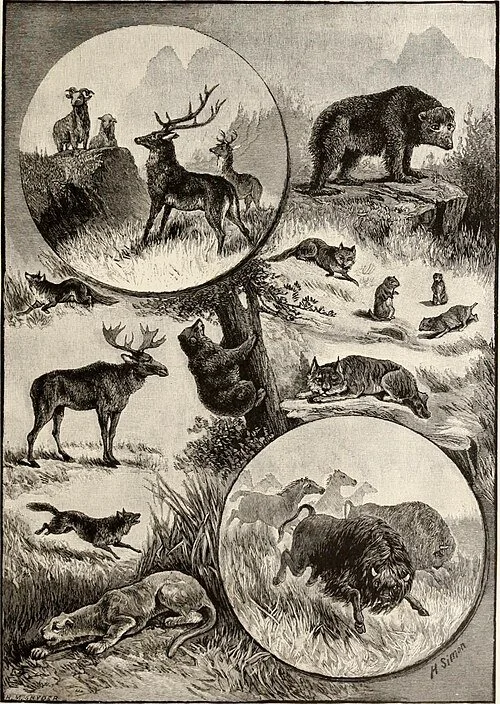
Illustration from the nineteenth-century publication Our Western Empire, or The New West Beyond the Mississippi, used to educate Eastern audiences about landscapes and wildlife of the American West, including the San Juan Mountains. Iconic animals such as the black bear were highlighted alongside other prairie and mountain species.

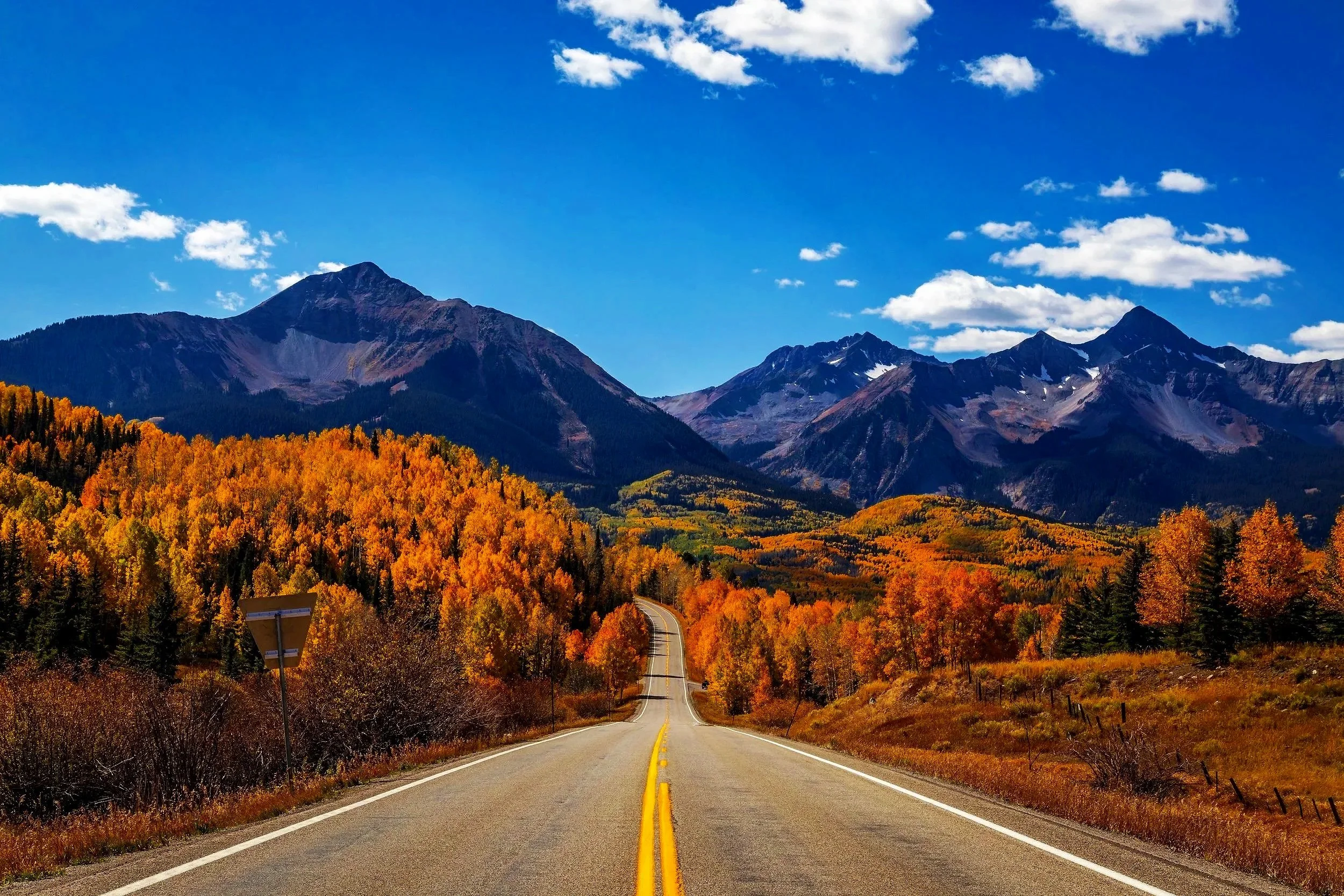
Scenic view of American Basin in the San Juan Mountains of Colorado, highlighting alpine meadows, ridgelines, and seasonal wildflowers that provide critical habitat for pollinators and wildlife in high-elevation ecosystems.
If you want the complete experience in one place, the San Juan Skyway becomes most meaningful when viewed as a connected system of landscapes, geology, and history.
→ Go Deeper: The Complete San Juan Skyway Guidebook
The San Juan Skyway: Into the Heart of the Colorado Rockies
Want the full Journey?